Water Tomatoes 1–3 Times a Week: Schedule for Garden and Containers
Water in-ground tomatoes 1 to 3 times a week, aiming for 1–2 inches of water total and wetting the soil 6–12 inches deep. Containers usually need a check every morning and often a daily drink once summer heat sets in. Skip the calendar and press a finger into the soil first. Dry at 2–4 inches down means it’s time to water, and drip or soaker lines at the soil line beat any overhead sprinkler.
TL;DR:
- Tomato plants in-ground or raised beds generally need 1 to 2 inches of water weekly, adjusted to 2 to 3 times per week during hot weather.
- Container tomatoes require daily checks in hot climates, watering until moisture reaches several inches deep and never relying solely on a fixed schedule.
- Using a finger test at 2 to 4 inches deep is the most reliable way to determine when to water, as weather and soil conditions change rapidly.
- Overwatering or underwatering causes blossom end rot and fruit cracking, emphasizing the importance of consistent moisture management rather than calendar-based watering.
- Mulch, soil type, and container size significantly influence watering frequency, with mulching reducing evaporation and larger pots requiring less frequent, deeper watering.
Table of Contents
- Tomato Watering Schedule at a Glance: In-Ground, Raised Bed, and Container
- How Do You Know When to Water Tomatoes?
- How Much Water Do Tomatoes Actually Need Per Watering?
- Best Watering Methods and Timing for Tomatoes
- Do Soil Type and Mulch Change How Often You Water?
- Watering Tomatoes in Containers, Grow Bags, and Self-Watering Pots
- What Happens When Tomato Watering Is Inconsistent?
- Three Sample Tomato Watering Schedules You Can Copy
- How Viridia Can Help You Schedule and Monitor Tomato Watering
- What I’ve Learned About Tomato Watering After Years of Trial and Error
- Let Viridia Track Your Tomato Watering So You Don’t Have To Remember
- Where This Watering Advice Comes From
- Sources
Tomato Watering Schedule at a Glance: In-Ground, Raised Bed, and Container
Every tomato watering schedule starts with the same baseline, then gets adjusted for where the roots actually live. In-ground plants and raised beds share similar needs because both give roots room to spread, but containers play by different rules entirely, since their soil volume is tiny compared to what a plant actually wants to drink.
For established in-ground and raised bed tomatoes, 1 to 2 inches of water per week is the standard target during the main growing season. That usually breaks down into 1 to 3 waterings a week, with the low end for cool spring weather and the high end for a stretch of 90 degree days. Raised beds drain faster than native ground soil, so they tend to sit closer to the 3x-a-week side even when in-ground plants nearby are fine with two.
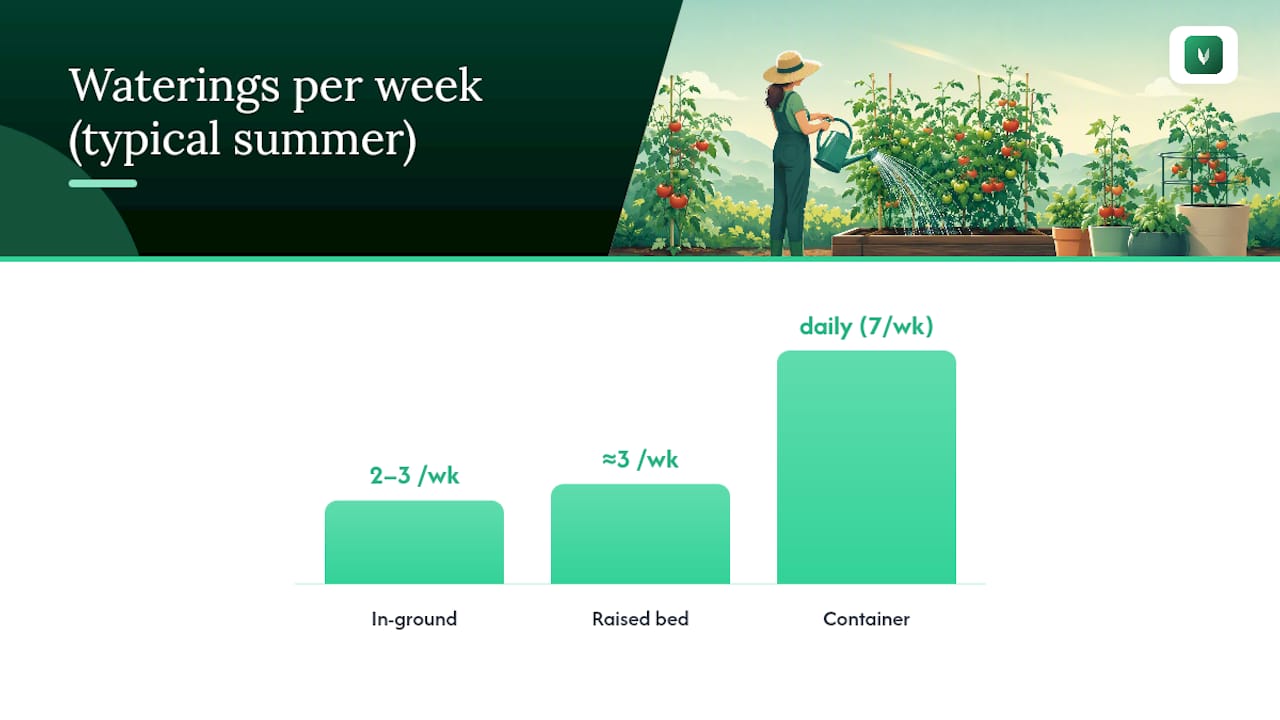
Containers are a different animal. Pot soil heats up fast and dries out faster, so checking daily in hot weather isn’t optional, it’s the job. Water until moisture reaches several inches down, or until you see it run out the drainage holes. A 5 gallon bucket and a 25 gallon grow bag will never be on the same schedule, so treat the “daily check” as the rule and the actual watering as a judgment call.
Seedlings and fresh transplants need a completely different rhythm than mature plants:
- Seedlings in trays or small pots: keep the surface lightly moist at all times; roots are shallow and can’t reach reserves deeper in the soil yet.
- Transplants in their first 1 to 2 weeks: water every day or two to help roots establish, focusing water right at the base.
- Established plants (3+ weeks in ground): shift to deeper, less frequent watering to encourage roots to grow downward instead of staying shallow.
Here’s how a rough weekly plan shifts with the season:
- Cool spring (60s to low 70s): in-ground twice a week; containers every other day.
- Typical summer (mid 80s): in-ground 2 to 3 times a week; containers daily.
- Heatwave (90s and up): in-ground every other day, sometimes daily in sandy soil; containers once or even twice daily.
How Do You Know When to Water Tomatoes?
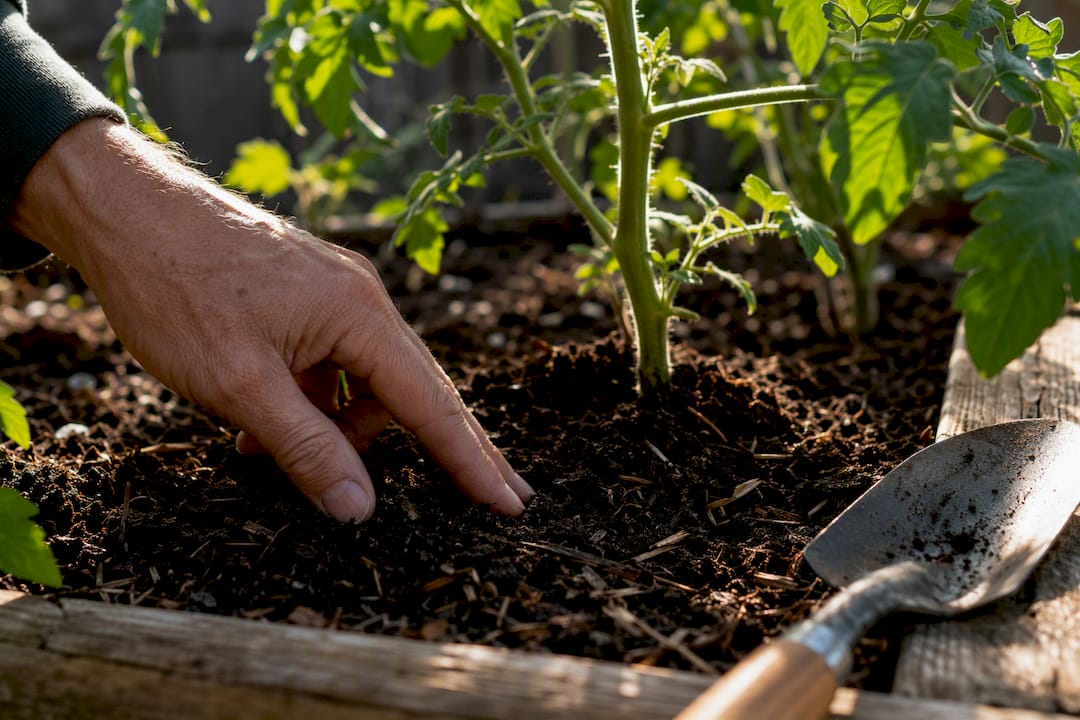
The single most reliable diagnostic tool for tomatoes costs nothing and lives on your hand. The finger test beats any fixed schedule because weather, soil, and plant size change faster than a calendar can keep up.
- Push a finger 2 to 4 inches into the soil, close to the plant but not touching the stem.
- Feel for moisture. If the soil feels dry at that depth, it’s time to water. If it’s still cool and slightly damp, hold off another day.
- Check containers a bit shallower, around 1 to 2 inches down, since pot volume is smaller and dries from the top faster.
- Repeat before every watering, not just once a week. This is the habit that actually prevents the wet-dry swings that cause most fruit problems.
If sticking a finger in dirt isn’t your style, an inexpensive soil moisture meter gives a numeric readout instead of a feel test. Most read on a simple scale where the low end means bone dry and the high end means saturated. Aim to water when the reading drops into the lower third, and stop once it climbs back toward the middle.
Plant cues matter too, but read them carefully. A tomato plant that droops in the blazing heat of 2 p.m. and perks right back up by evening is just managing heat stress, not asking for water. Persistent wilting that doesn’t recover by early morning is the real signal something’s off, either too dry or, less often, too wet.
Pro Tip: Check soil moisture in the morning before the sun heats things up. A reading taken at noon in direct sun will read drier than reality and can trick you into overwatering.
Calendar-only watering fails because it ignores the two biggest variables: how much it rained and how hot it got. A schedule that says “water Tuesday and Friday” doesn’t know it rained an inch on Wednesday, or that Thursday hit 98 degrees. Checking the soil directly catches both.
How Much Water Do Tomatoes Actually Need Per Watering?
The 1–2 inches per week rule is useful shorthand, but it doesn’t tell you what to do standing next to the plant with a hose. What matters more in practice is depth: water until the soil is wet 6 to 12 inches down, since that’s where tomato roots do their best work and where they’ll keep reaching if you train them to.
Shallow, frequent sprinkles that only wet the top inch or two train roots to stay near the surface, which makes plants more vulnerable to drought stress the moment you skip a day. Deep watering less often does the opposite: it pulls roots downward, and tomatoes planted deep to begin with develop an even more efficient root system along the buried stem.
Judging actual volume without a flow meter comes down to a few practical anchors:
- Watch for runoff. Once water starts pooling or draining out the bottom of a container, you’ve hit saturation, stop there.
- Use the “gallon per plant” rough guide. A mature in-ground tomato often takes roughly 1 to 2 gallons per watering session in average conditions, more in sandy soil or extreme heat.
- Time your hose. If you know your hose’s flow rate, timing a soaker session is more consistent than guessing by eye.
- Never chase a precise number. Soil type, plant size, and weather move the target too much for any single figure to be exact, treat these as starting points, not rules.
Soil texture changes this math directly. Heavy clay holds water longer and drains slowly, so watering too deep and too often in clay can create waterlogged conditions that stress roots. Sandy soil drains fast and needs more frequent watering to hit the same 6 to 12 inch depth target, since water moves straight through it instead of spreading.
Best Watering Methods and Timing for Tomatoes
Drip lines and soaker hoses placed right at the soil line are the closest thing to a universal upgrade for tomato watering. They deliver water straight to the root zone, keep foliage completely dry, and use dramatically less water than a sprinkler tossing water over the whole bed, roughly a quarter of the volume for the same root-zone result.
Overhead watering isn’t banned, but it’s a worse default. Wet foliage sitting overnight is exactly what fungal diseases like early blight and septoria leaf spot need to take hold. If a sprinkler or overhead can is the only option available, timing becomes critical.
- Water early in the morning, ideally before 9 a.m., so any wet leaves have the entire day to dry in sun and airflow.
- Late afternoon watering is an acceptable backup if morning isn’t possible, as long as there’s still a few hours of daylight left for foliage to dry before nightfall.
- Never water in the evening if you can avoid it. Damp leaves sitting through a cool, humid night is close to an invitation for disease.
- For hand-watering, use a wand with a gentle rain head and aim low, right at the base of the stem, moving slowly enough that water soaks in rather than running off the surface.
Drip irrigation for tomatoes also solves a scheduling problem, not just a disease problem. A drip line on a timer waters consistently even on days you forget, which matters more than it sounds like it should, since inconsistency is the real enemy of a healthy tomato plant.
Pro Tip: If you’re hand-watering multiple plants, water each one twice in one pass, a quick first pass to wet the surface, then circle back a few minutes later for the deep soak. Dry soil repels water at first, so the second pass actually penetrates instead of running off to the sides.
Do Soil Type and Mulch Change How Often You Water?
Soil texture rewrites the watering schedule more than almost any other variable, sometimes doubling or halving how often you need to turn on the hose. Sandy soil drains within hours and needs the most frequent attention. Loam, the ideal middle ground, holds moisture evenly and forgives small scheduling mistakes. Heavy clay holds water the longest but drains poorly, which sounds like an advantage until you realize overwatering clay can promote root rot instead of preventing drought stress.
That changes the practical advice for clay: rather than deep, infrequent soaks, lighter and more frequent watering that avoids keeping the surface saturated for days at a time tends to work better.
Raised beds with amended soil behave more like loam regardless of what’s underneath, since gardeners typically fill them with a blend built for drainage and moisture retention together. That’s one reason raised bed tomatoes often need watering slightly more often than native clay soil nearby, the improved drainage that makes clay less risky also means water moves through faster.
Mulch changes the equation for every soil type. A 2 to 3 inch layer of straw, shredded leaves, or wood chips around the base cuts surface evaporation dramatically, which means:
- Watering frequency can drop, sometimes stretching a 3x-weekly schedule to 2x.
- Soil temperature stays more stable, reducing the moisture swings that stress roots.
- Weed pressure drops too, an unrelated but welcome bonus.
The rule of thumb across soil types: sandy soil wants water more often but doesn’t need it as deep each time, while clay wants it less often but needs more patience to avoid drowning the roots.
Watering Tomatoes in Containers, Grow Bags, and Self-Watering Pots
Container soil dries out faster than ground soil for a simple physical reason: there’s less of it, and it’s surrounded on all sides by air instead of insulated by the earth. A 5 gallon pot in July sun can lose noticeable moisture in a single afternoon, which is why container tomatoes operate on a completely different watering tomatoes in summer schedule than their in-ground cousins.
- Check every container every morning during hot weather, no exceptions. This single habit prevents more container tomato problems than any other single fix.
- Water until you see runoff from the drainage holes, or until the soil is moist several inches down if the pot doesn’t drain freely.
- Increase to twice daily once temperatures push into the 90s, especially for pots under 10 gallons, which have almost no buffer against fast drying.
- Consider a self-watering container with a built-in reservoir if daily watering isn’t realistic; these hold a water supply at the base that wicks moisture up as the soil dries.
- Build a DIY slow-drip reservoir with a repurposed gallon jug. Poke a few small holes near the base, bury it partway next to the plant, and fill it as needed, an inexpensive alternative to a full irrigation setup for a handful of pots.
Pot size drives frequency more than almost anything else. A 5 gallon container might need water daily even in mild weather, while a 20 or 25 gallon grow bag can often stretch to every other day outside of a true heatwave. If you’re deciding what size to buy, bigger buys you more forgiveness on the days you get busy.
What Happens When Tomato Watering Is Inconsistent?
Blossom end rot and fruit cracking are the two most common tomato problems, and both trace back to the same root cause: inconsistent moisture, not a nutrient deficiency or a disease. Large swings between soggy and bone dry disrupt how the plant moves calcium into developing fruit, which shows up as the sunken, dark, leathery patches at the blossom end of the tomato. Cracking happens when a dry spell followed by a heavy watering or rain causes fruit to swell faster than the skin can stretch.
Overwatering and underwatering leave different clues, and telling them apart matters before you change anything:
- Overwatered plants: yellowing lower leaves, soil that stays soggy days after watering, a musty smell near the roots, and sometimes wilting despite wet soil (roots suffocating, not thirsty).
- Underwatered plants: leaves curling inward, persistent wilt that doesn’t recover overnight, dry and cracked soil surface, and slowed fruit growth.
- Immediate fix for overwatering: stop watering until the top few inches dry out, check drainage in containers, and consider adding mulch to regulate future swings.
- Immediate fix for underwatering: water deeply right away rather than a light sprinkle, then get back on a consistent finger-test rhythm.
Short-term recovery for a stressed plant usually comes down to mulch, patience, and a return to steady checks rather than dramatic intervention. A plant that’s wilted from heat and light drought stress typically bounces back within a day or two of consistent watering.
If you’re seeing spotted, curling, or discolored leaves alongside watering problems, that’s often a disease symptom layered on top of moisture stress, and it’s worth checking extension guidance for identification rather than guessing.
Three Sample Tomato Watering Schedules You Can Copy
Every garden is a little different, but these three starting points cover most of what a home gardener actually deals with across a growing season.
- Cool spring schedule (60s to low 70s): Water in-ground plants twice a week, deeply, checking soil moisture the morning of each planned watering day. Containers get watered every other day. After rainfall of half an inch or more, skip the next scheduled watering and check soil moisture before resuming.
- Typical summer schedule (mid 80s): Water in-ground plants 2 to 3 times a week, containers daily, always in the early morning. Mulch should already be down by this point to slow evaporation between waterings.
- Heatwave schedule (90s and above): Water in-ground plants every other day, sometimes daily in sandy or container-grown situations. Containers may need water twice daily, once in the early morning and again in late afternoon if leaves show signs of stress by midday.
A simple checklist works for any watering session, regardless of which schedule you’re following: check the soil first, water to the 6 to 12 inch depth target, refresh mulch if it’s thinning, and take thirty seconds to look over the leaves and fruit for early signs of trouble.
The one adjustment that trips people up is what to do after a soaking rain. Skip the next scheduled watering entirely and go back to the finger test before resuming, since a full inch of rain can cover several days of the weekly target on its own.
How Viridia Can Help You Schedule and Monitor Tomato Watering
A watering schedule works best when it’s backed by a few good habits and something reminding you when to check. Viridia’s plant identification feature confirms exactly what variety you’re growing straight from a photo, then pulls up a tomato care guide with watering guidance matched to your climate and soil.
Some apps send weather-based reminders that adjust watering notifications according to heatwaves or rainfall, instead of following a fixed calendar. Some apps provide health diagnosis features that analyze photos of plant issues to suggest likely causes and help track recovery.
None of this replaces the finger test. Think of Viridia as the layer that catches what you might forget on a busy week, while the direct soil check stays the final word on whether a plant actually needs water right now.
What I’ve Learned About Tomato Watering After Years of Trial and Error
Two habit changes matter more than any fancy technique: checking soil moisture at the same time every morning, and switching from overhead watering to a soaker hose the first season symptoms of blossom end rot showed up. The morning check turned watering from a guessing game into a five-second routine, and the soaker hose switch cut fungal leaf spots almost completely the following year.
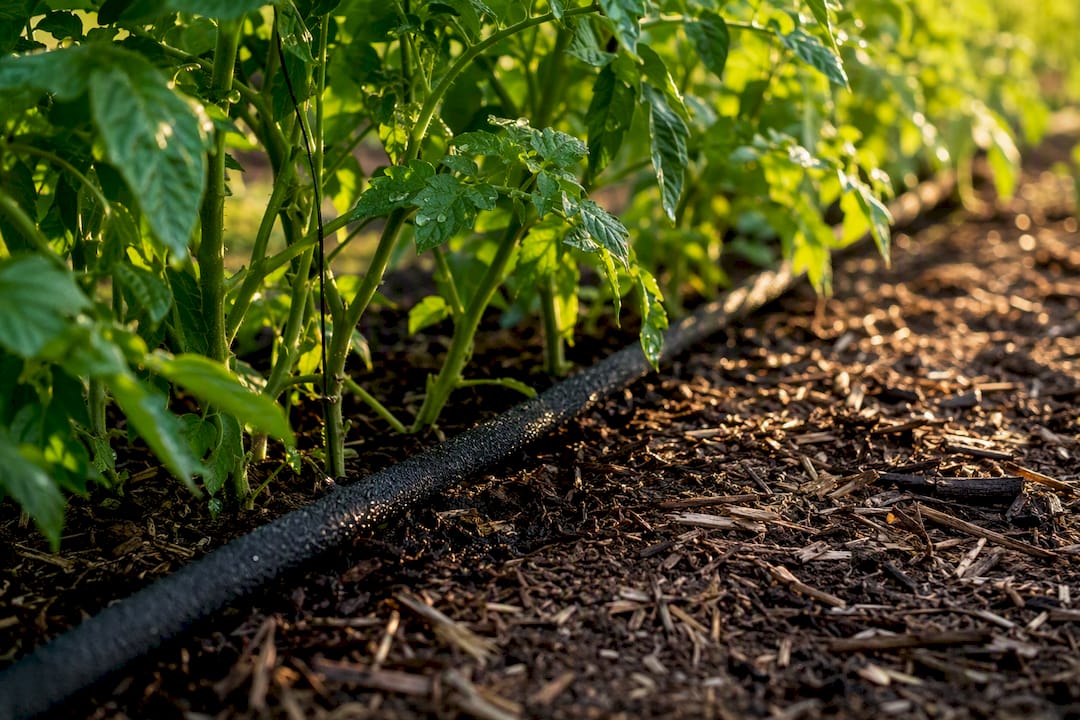
Mulch was the third change, and it’s the one most new gardeners skip because it feels optional. It isn’t. A 2 inch layer of straw did more to smooth out moisture swings than any change to the actual watering frequency.
The mistake I see most often isn’t underwatering, it’s inconsistency dressed up as a schedule. Watering on a fixed calendar regardless of rain or heat creates the exact swings that crack fruit and cause blossom end rot. The fix is boring: check first, then water.
— Dan
Let Viridia Track Your Tomato Watering So You Don’t Have To Remember
There are tools that can help turn watering schedules into easy routines by sending weather-based reminders and offering health diagnosis based on photos of plant stress signs.
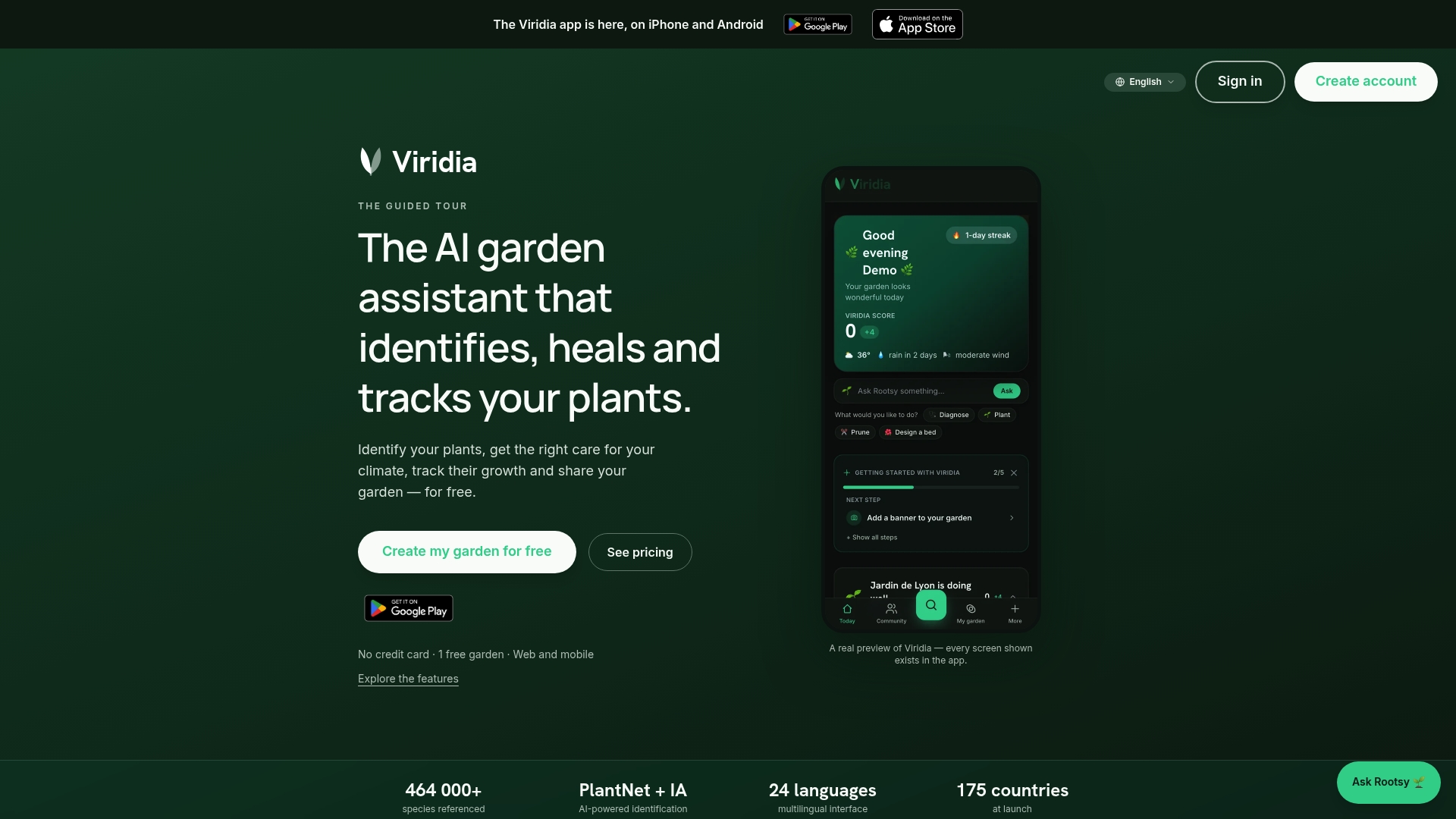
Pair that with the tomato care guide for variety-specific schedules, or explore a custom garden plan if you’re managing more than a couple of plants and want the whole layout tracked in one place. None of this replaces the finger test, it just makes sure you remember to do it. Open the Viridia app and set up reminders for your tomato bed before the next heatwave hits.
Where This Watering Advice Comes From
The frequency ranges, wetting depth targets, and diagnostic tips throughout this guide draw on published extension research rather than general gardening folklore.
- University of Georgia’s Homegrown Tomatoes report sets the 1–2 inch weekly baseline used across the article.
- UC IPM’s irrigation guidance covers the finger test and soil moisture diagnostics in detail.
- The Chicago Botanic Garden’s Tomato Talk series offers seasonal frequency adjustments for both in-ground and container plants.
Each source specializes in a different piece of the puzzle, from baseline volume to hands-on diagnosis to seasonal timing, which is why the schedules above pull from all three rather than a single source.
Sources
- Georgia Homegrown Tomatoes (B1271) — Field Report, University of Georgia
- Good watering practices help keep tomatoes healthy — UGA Extension (May 2026)
- Irrigation of processing tomatoes — UC IPM
- Tomato Talk | Watering — Chicago Botanic Garden