Inspect Roots and Axils First: Stop Mealybugs on Houseplants in Six Weeks
Most mealybug outbreaks on houseplants can be beaten back if you isolate the plant today and start repeated mechanical removal paired with targeted treatments. There’s no single spray that ends this in one shot. Expect a multi-week campaign timed around the pest’s life cycle, not a quick fix.
TL;DR:
- Mealybug infestations require a multi-week campaign with repeated mechanical removal, targeted alcohol treatments, and thorough inspection of hiding spots.
- Identification hinges on cottony masses, honeydew residue, black mold, and the presence of ants, with inspection of leaf axils, undersides, and roots.
- Initial steps must include isolating the plant immediately and physically removing visible pests before applying chemicals.
- Use alcohol swabs for light to moderate colonies and prune heavily infested parts, with proper spot testing to prevent leaf damage.
- Prevent future outbreaks through quarantine procedures, regular inspections, sterilization of tools, and avoiding soil reuse from infested plants.
Table of Contents
- How Do You Identify Mealybugs on Houseplants?
- Where Do Mealybugs Hide on Houseplants?
- What Should You Do in the First 48 Hours?
- How Do You Get Rid of Mealybugs With Alcohol and Pruning?
- When Should You Use Neem Oil or Insecticidal Soap?
- Can Mealybugs Live in the Soil and Roots?
- How Do You Prevent Mealybugs From Coming Back?
- When Should You Just Throw the Plant Away?
- How Can Viridia Help You Track and Treat Mealybugs?
- A Realistic Take on Effort vs. Reward
- Try Viridia for Faster Mealybug Diagnosis and Recovery Tracking
- Where to Learn More About Mealybug Control
- Sources
How Do You Identify Mealybugs on Houseplants?
Mealybugs look like tiny tufts of cotton wedged into the tight corners of your plant. Adults are soft, oval, and covered in a waxy white coating with fringed edges that make them look almost fuzzy or spiky along the sides. They’re slow movers, usually a fraction of an inch long, and cluster in groups rather than wandering solo. That’s what separates them from other white fuzzy bugs on plants, which is the umbrella term covering several look-alike pests.
Confirming the diagnosis means checking both the bug and what it leaves behind:
- Cottony white masses tucked into leaf joints or along stems
- Sticky, clear residue on leaves (honeydew) that mealybugs excrete as they feed
- Black, sooty mold growing on that honeydew film
- Yellowing leaves, curled growth, or stunted new shoots
- Ants patrolling the plant, drawn to the honeydew
Snap a photo of anything suspicious before you treat it. Scale insects and woolly aphids get mistaken for mealybugs constantly, and the right ID determines whether alcohol and soap will actually work or whether you’re wasting a week on the wrong pest.
Where Do Mealybugs Hide on Houseplants?
Mealybugs gravitate toward tight, protected spots where sprays rarely reach on the first pass. A full inspection means checking both what you can see and what’s buried in the pot.
- Check leaf axils, where petioles meet the stem, first. This is the single most common hiding spot.
- Flip leaves over and inspect the undersides, especially near the midrib.
- Look at flower buds and the base of new growth.
- Run a finger along the pot rim, under the saucer, and around any stakes or ties.
- If a plant keeps declining despite clean-looking foliage, unpot it and check the root ball for white, waxy clusters. That’s root mealybug territory.
A cheap jeweler’s loupe or your phone’s camera zoom makes crawlers far easier to spot. Build this check into every watering, since that’s the fastest way to catch a colony before it spreads.
What Should You Do in the First 48 Hours?
Speed matters more than perfection here. Get the infested plant away from your other houseplants immediately. Even a few feet of separation, or a different room entirely, slows the spread while you plan your next moves.
- Move the plant to isolation, away from neighboring pots
- Hand-remove visible cottony masses with a cotton swab or soft brush
- Wipe down shelves, windowsills, and trays where the plant was sitting
- Wash your hands and any tools before touching other plants
- Clear away fallen leaves and debris, where mealybugs and eggs can linger
- Watch for ants and manage them separately, since they protect mealybug colonies for the honeydew
None of this cures the infestation. It just buys you time and stops one bad pot from becoming five.
How Do You Get Rid of Mealybugs With Alcohol and Pruning?
For light to moderate infestations, isopropyl alcohol is still the fastest tool in the kit. Extension entomologists recommend dabbing individual insects with alcohol-soaked cotton swabs for small colonies, since it dissolves the waxy coating and kills on contact. A 70% concentration works well for most houseplants, but always spot-test one leaf first and wait 24 hours. Alcohol can scorch tender or stressed foliage, especially on succulents and thin-leaved species.
- Dab visible mealybugs directly with an alcohol-soaked swab
- Follow up with a lukewarm shower or sink rinse to knock off eggs and residue
- Repeat every 5 to 7 days, since one pass never gets them all
- Prune heavily infested stems or leaves and seal them in a bag before tossing them
Pro Tip: Test alcohol or any spray on a single leaf and check it two days later before treating the whole plant. Skipping this step is how a mealybug problem turns into a leaf-drop problem.
When Should You Use Neem Oil or Insecticidal Soap?
Contact treatments like insecticidal soap and neem oil for mealybugs only work if the spray physically touches the insect. Mealybugs tucked into a leaf axil that never gets coated will survive no matter how good the product is. That’s the single biggest reason people think these treatments “don’t work.”
- Spray until leaves drip, targeting axils, undersides, and stem joints specifically
- Reapply regularly to catch new crawlers as they hatch
- Avoid application in direct sun or high heat, which raises the risk of leaf burn
- Skip spraying on plants that are already drought stressed or wilting
Neem oil and its active compound, azadirachtin, work best against immature crawlers rather than armored adults, and its residue breaks down on leaf surfaces within a day or two. That short window is exactly why a single application rarely finishes the job. For high-value or heavily infested plants, a systemic insecticide applied as a soil drench can work from the inside out, though you should avoid it on actively blooming plants if pollinators have any access to the space, and always follow the product label exactly.
Can Mealybugs Live in the Soil and Roots?
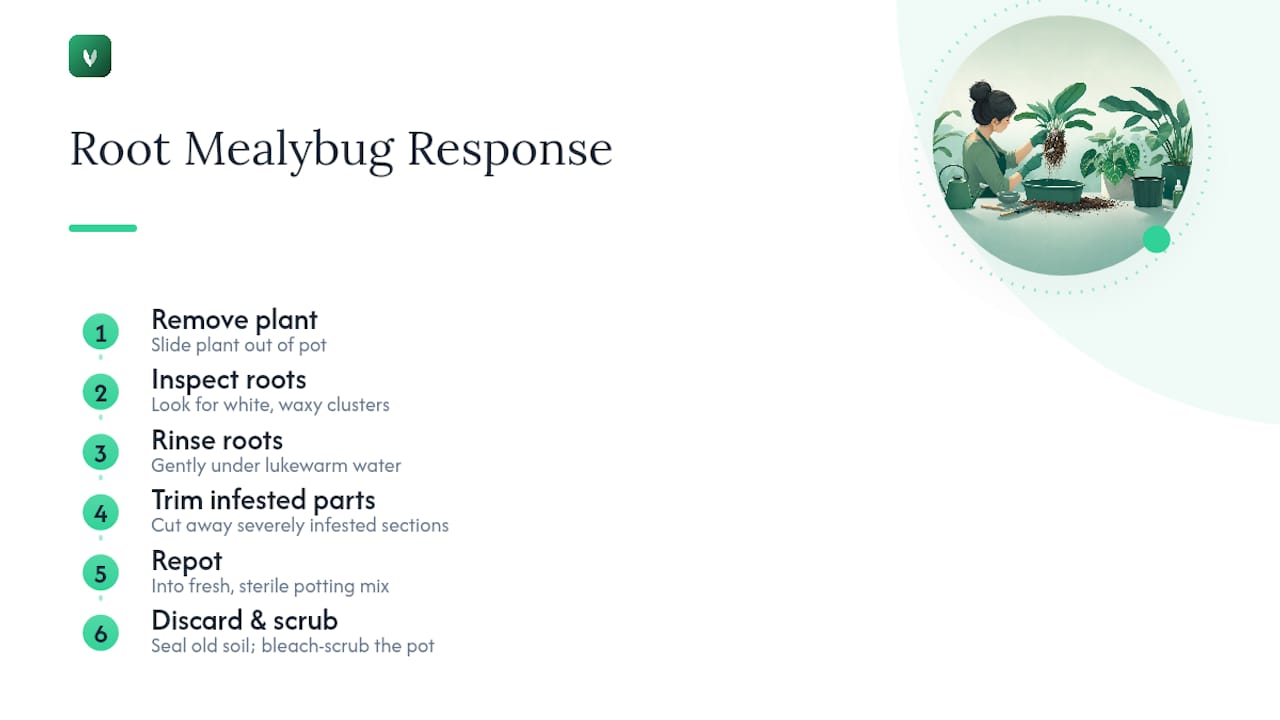
Yes. Root mealybugs live entirely underground and often go undetected while you’re busy treating the leaves. If a plant keeps declining, wilting, or dropping leaves despite a clean foliage treatment, that’s the signal to check the roots. Slide the plant out of its pot and look for the same white, waxy clusters around the root ball. Rinse the roots gently under lukewarm water, trim away any severely infested sections, and repot into fresh, sterile potting mix. Discard the old soil in a sealed bag rather than composting it, and scrub the pot with diluted bleach before reuse.
How Do You Prevent Mealybugs From Coming Back?
Quarantine is the cheapest insurance policy you have against future infestations, since most mealybugs arrive on a new plant, not out of nowhere.
- Quarantine every new plant for a few weeks before it joins your collection.
- Inspect leaf axils and undersides every time you water, not just when something looks wrong.
- Keep a simple log, even a note on your phone, of which plants you’ve checked and when.
- Sterilize pruning shears and pots between plants, especially after treating an infestation.
- Use fresh, sterile potting mix rather than reusing soil from a plant that’s had pests.
When Should You Just Throw the Plant Away?
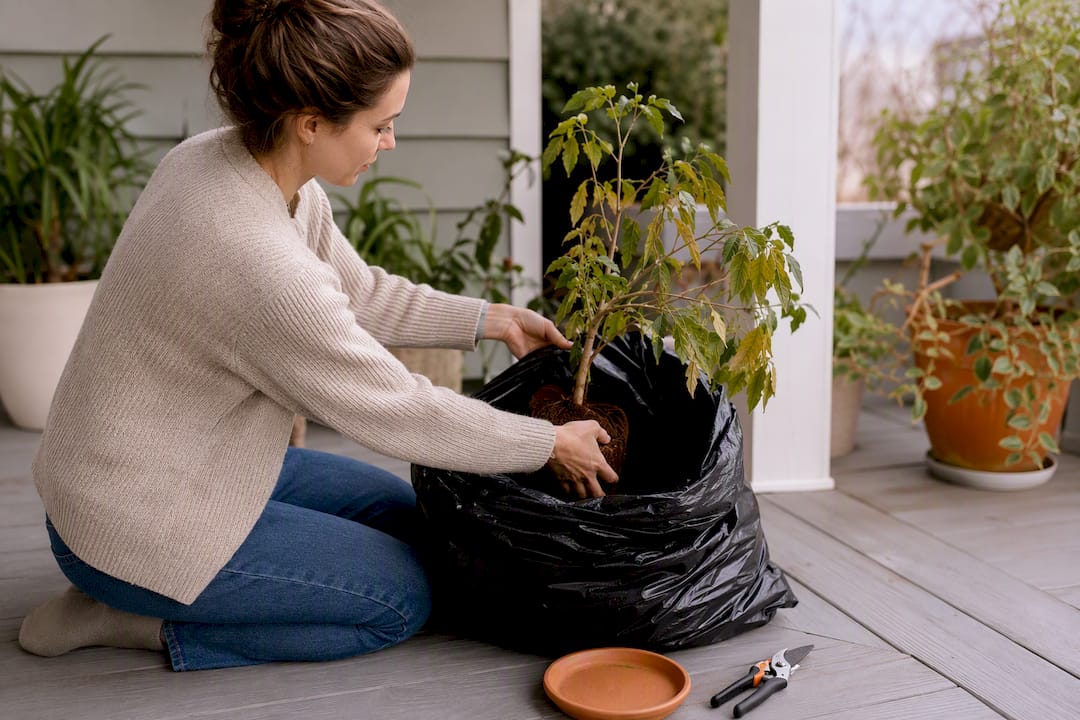
Some infestations aren’t worth saving. If you’ve run through multiple treatment cycles, several weeks apart, and the colony keeps coming back with visible structural decline, stunted growth, or root damage, it’s time to weigh the plant’s value against the risk to your whole collection. A cheap, replaceable plant that’s been fighting mealybugs for two months isn’t worth becoming the source colony for everything else on your windowsill. Bag it, seal it, and dispose of it in household trash, not compost.
How Can Viridia Help You Track and Treat Mealybugs?
A quick photo through an AI plant identification tool can help confirm whether you’re dealing with mealybugs or a look-alike pest before you start treating. Health diagnosis features can suggest next steps and let you log recovery progress across your multi-week treatment plan, while built-in reminders help you stay on schedule for reapplications during quarantine. It won’t replace the cotton swab and the alcohol, but it keeps the process organized.
A Realistic Take on Effort vs. Reward
Mealybugs test your patience more than your skill. The methods here work, but they work slowly, often over several weeks of repeated checks and treatments, not just days. Start the moment you spot the first cottony tuft, because early colonies are small enough to hand-remove in one sitting. And if a plant has been fighting for months with no real progress, letting it go isn’t failure. It’s just good triage.
— Dan
Try Viridia for Faster Mealybug Diagnosis and Recovery Tracking
Hand lenses and alcohol swabs handle the physical work, but staying organized through six weeks of reapplications is its own challenge. The app gives you a faster way to confirm what you’re looking at, log which plants are in quarantine, and set reminders for the next treatment round so nothing falls through the cracks.

Snap a photo of any suspicious white residue and Viridia’s identification tool will help confirm the pest before you waste a week treating the wrong problem. The plant catalog covers care guides for species prone to repeat infestations, including woody ornamentals like buxus sempervirens, so you know what conditions tend to invite mealybugs back. If you want a more hands-on setup for tracking recovery across your whole collection, check out Viridia’s tailored garden tools and start your first plant health scan today.
Where to Learn More About Mealybug Control
For deeper, science-backed guidance, lean on university extension resources: the UC Statewide IPM Program, University of Maryland Extension, and the Missouri Botanical Garden’s pest guide. Always read and follow the product label before applying any pesticide.