3 Quick Checks to Diagnose Leaf Curl for Home Gardeners
Leaf curl almost always traces back to one of five things: heat or water stress, sucking insects, a fungal or viral disease, herbicide drift, or a nutrient shortfall. Check three things right now: whether it’s new growth or old leaves curling, whether the curl points up or down, and whether the soil is bone dry or waterlogged. Those three answers get you most of the way to a real diagnosis before you touch a spray bottle.
TL;DR:
- Leaf curl caused by environmental stress presents as upward, firm curls during drought or heat, whereas overwatering or root damage results in limp, downward curling.
- Pest-related leaf curl usually appears on new growth with visible insects, webbing, or sticky residue, while herbicide drift creates twisted, rope-like leaves within days of exposure.
- Accurate diagnosis requires checking soil moisture, inspecting undersides for pests, and noting recent spraying or environmental changes before treatment.
- Treat environmental causes by adjusting watering, adding mulch, or providing shade, and control pests with targeted insecticides, never spraying unless pests are confirmed.
- Using photo-based diagnosis tools like Viridia can help track symptoms over time, verify cause, and prevent unnecessary or harmful treatments.
Table of Contents
- What Causes Leaf Curl in the First Place?
- A Fast Field Checklist for Leaf Curl Symptoms
- Cause by Cause: Matching the Symptom to the Fix
- How to Confirm the Cause Before You Treat Anything
- Fixes and Prevention, Organized by Cause
- Where an App Like Viridia Fits Into Diagnosis
- Diagnose Before You Treat
- Try Viridia Before You Guess Again
- Sources
- FAQ
What Causes Leaf Curl in the First Place?
Curling is a defense move, not random damage. A plant rolls or cups its leaves to shrink the surface area exposed to sun and wind, which cuts water loss when roots can’t keep up with demand. That’s why so many unrelated problems produce a symptom that looks nearly identical from across the yard.
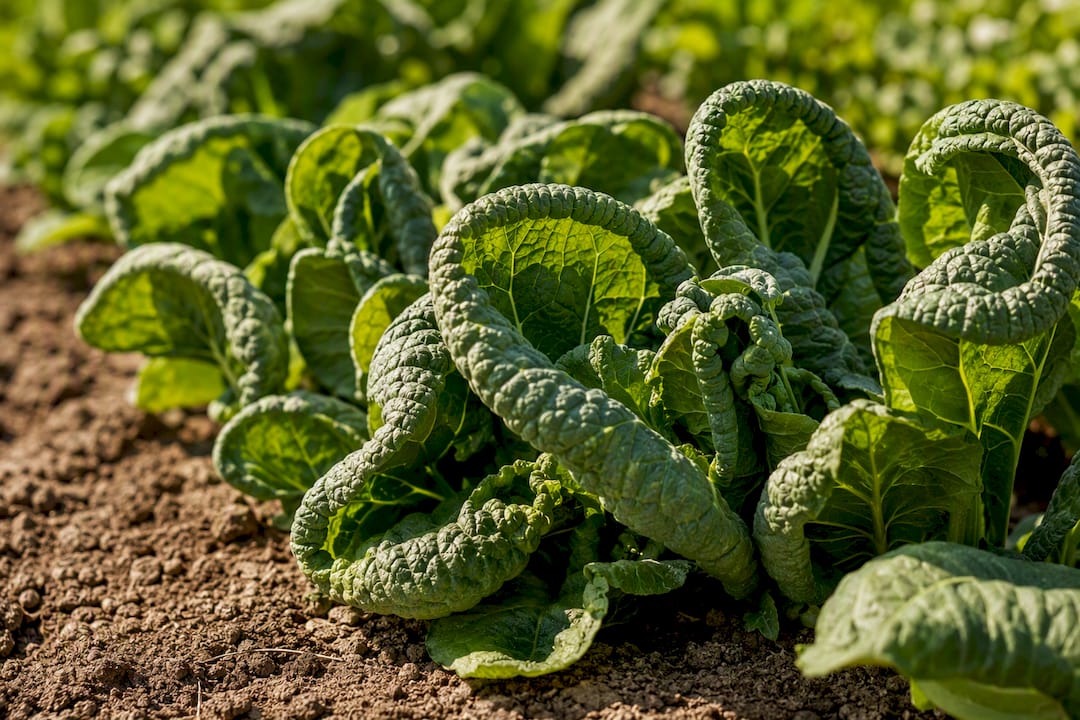
The trigger matters more than the shape, but the shape still gives you clues. Heat and drought typically pull leaves into a tight upward cup, almost like a taco, because the plant is retreating from the sun. Overwatering or root rot tends to produce the opposite: a limp, downward, almost wilted curl, because damaged roots can no longer move water at all even though there’s plenty in the soil.
Two other patterns are worth flagging early:
- Pest feeding usually shows up on new growth first, since aphids and thrips prefer soft tissue.
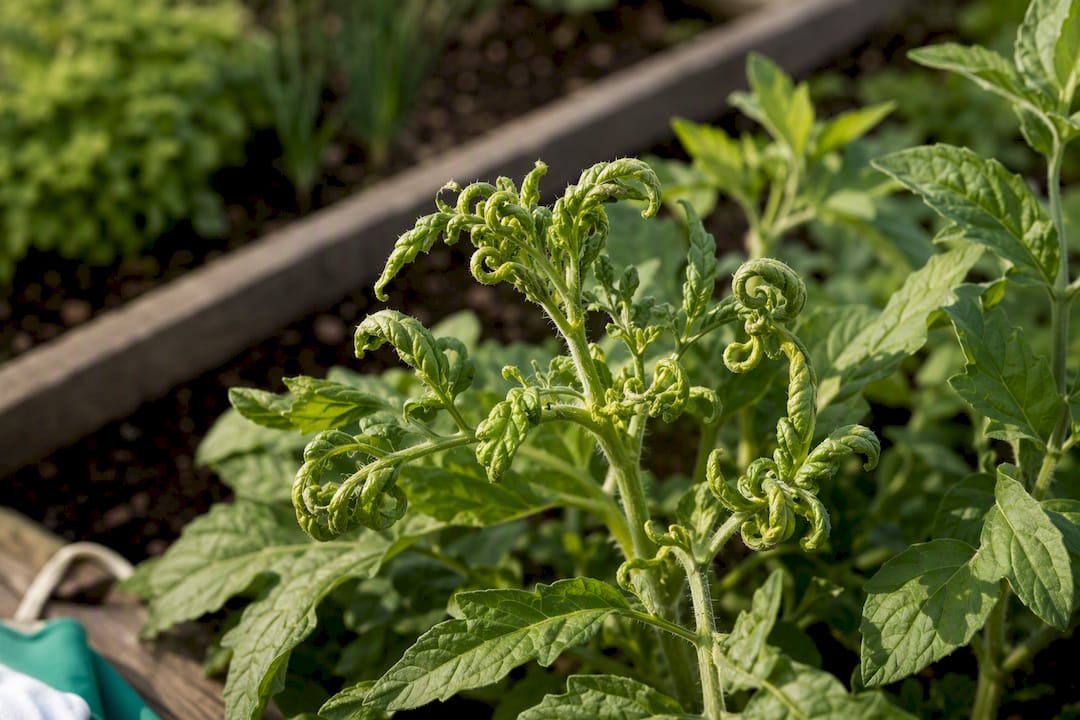
- Herbicide drift twists the newest leaves into odd, rope-like shapes within days of exposure.
That’s the core insight UC ANR’s overview of curling leaves makes clear: drought, heat, root damage, overwatering, excess nitrogen, and chemical exposure all land on the same visual symptom through completely different mechanisms.
A Fast Field Checklist for Leaf Curl Symptoms
Work through this in the order given. Each step narrows the list of suspects before you move to the next.
- Identify which leaves are affected. New growth curling alone points to pests, viruses, or nutrient mobility issues. Old leaves curling first usually means a root or soil problem.
- Note the direction and texture. Firm, leathery upward curl reads as heat or drought stress. Soft, floppy, downward curl reads as overwatering or root damage.
- Flip a few leaves over. Look for aphids, sticky honeydew, fine webbing, or tiny flying whiteflies.
- Check the soil and smell it. Dry and crumbly means drought stress. A sour, swampy smell means rot.
- Ask about recent activity. Did you or a neighbor spray anything in the last one to two weeks? Herbicide drift often shows up three to seven days after exposure.
Pro Tip: Hold off on fertilizer and extra water the moment you spot curling. Both can mask symptoms or actively worsen root stress while you’re still figuring out what’s wrong.
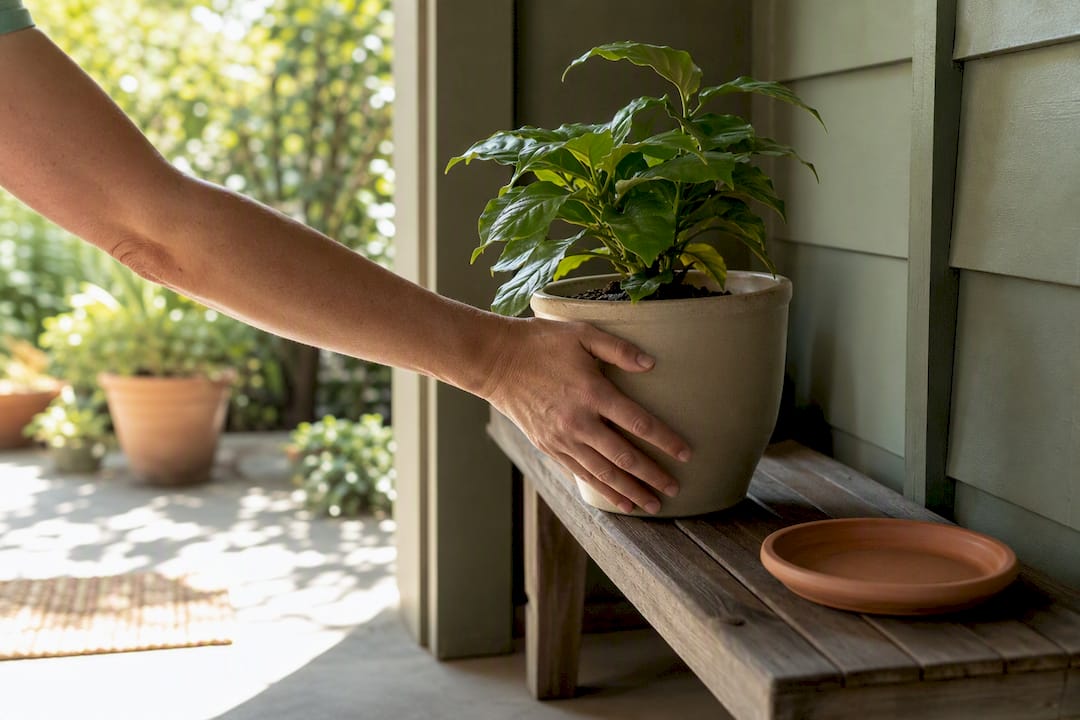
If a plant is in a container, move it to shade and out of wind while you finish diagnosing. That single step removes two of the most common triggers instantly.
Cause by Cause: Matching the Symptom to the Fix
Environmental and cultural stress is the most common culprit and the easiest to rule in or out. Heat, drought, and reflected heat off pavement or south-facing walls produce upward cupping on the whole canopy, not just new tips. Overwatering suffocates roots and causes soft, drooping curl that looks like wilting even when the soil is saturated. The fix for both starts with adjusting the watering schedule, not adding anything.
Pests show a distinct pattern: distorted new growth, sticky residue on leaves below the feeding site, and sometimes visible insects if you look closely.
- Aphids and whiteflies cluster on stem tips and leaf undersides.
- Thrips leave silvery streaks alongside the curl.
- Broad mites and psyllids cause tighter, more severe distortion and are easy to miss without a magnifier.
Disease splits into two very different problems. Peach leaf curl, caused by the fungus Taphrina deformans, puckers and reddens new peach and nectarine leaves in spring. Once you see it, in-season chemical treatment does nothing — the only real management window is a dormant-season fungicide spray before buds break, or before the next wet fall/winter cycle. Viral diseases like tomato yellow leaf curl virus behave differently: cupped, pale, stunted growth spread by whiteflies, usually confirmed only through lab testing since there’s no cure once a plant is infected.
Herbicide drift, particularly from phenoxy compounds like 2,4-D and dicamba, produces a very specific twisted, rope-like new growth that Texas A&M AgriLife’s guidance on tomato leaf twisting describes as one of the most recognizable symptoms in home gardens. There’s no in-plant remedy. The damaged tissue stays damaged, though new growth after exposure ends can look normal again.
Nutrient deficiencies tend to be subtler. Magnesium shortfalls show interveinal yellowing on older leaves alongside curling. Manganese issues usually hit newer leaves first with a similar chlorotic pattern.
Physiological leaf roll in tomatoes deserves its own mention because it scares a lot of gardeners unnecessarily. It’s a non-pathogenic response to heat swings, drought, or even rapid growth after heavy pruning, and it usually resolves on its own once conditions even out.
How to Confirm the Cause Before You Treat Anything
Guessing wrong wastes money and sometimes makes the plant worse. Run these quick tests before reaching for a product:
- Tap test: hold a sheet of white paper under the foliage and tap the stem. Tiny pests like thrips and mites will fall onto the paper where you can actually see them.
- Magnify the undersides: a $10 loupe reveals mite webbing and aphid colonies invisible to the naked eye.
- Probe the root zone: stick a finger or a moisture meter two inches into the soil. Smell it. Rot smells sour or swampy; healthy soil smells like nothing at all.
- Log the timeline: write down when curling started and cross-reference it against the last heat wave, watering change, or spray event nearby.
Pro Tip: If the damage keeps spreading across multiple plants and none of these tests turn up an obvious cause, cut a sample and take it to your local extension office or diagnostic lab. Viral and some fungal problems need a microscope, not a guess. This kind of systematic check, comparing leaf age, curl direction, and other symptoms, is exactly what Utah State University’s pest advisories recommend before anyone reaches for a spray.
Fixes and Prevention, Organized by Cause
Once you know what you’re dealing with, the fix is usually simple and cheap.
- Environmental stress: add mulch, shift watering to early morning, and provide temporary shade cloth during heat waves.
- Overwatering: improve pot drainage, remove saucers, and let the top two inches of soil dry between waterings.
- Soft-bodied pests: blast aphids off with a hose, then follow up with insecticidal soap or neem oil every five to seven days.
- Broad mites: these need a targeted miticide since soap alone often won’t touch them.
- Peach leaf curl: mark your calendar for a dormant-season fungicide application, and skip anything sold as an in-season “cure.”
- Suspected viral infection: remove and destroy the plant if confirmed, and buy certified virus-free transplants next season.
- Herbicide drift: pull and discard any contaminated mulch or grass clippings, and document the timeline if you suspect a neighbor’s spray drifted onto your property.
- Nutrient deficiency: test the soil before adding anything. Blind fertilizing is how magnesium and manganese problems turn into toxicity problems.
Pro Tip: Keep photos of your plants dated and stored together. When curling shows up, you’ll have a real before-and-after to compare instead of relying on memory.
Where an App Like Viridia Fits Into Diagnosis
Photo logging solves the exact problem gardeners run into most: forgetting when a symptom actually started. Viridia identifies the plant from a photo, then lets you log symptoms over time so you can line up curling against a heat spike, a watering change, or a spray event weeks later. Its health diagnosis feature suggests care steps, watering adjustments, shade, or targeted pest treatment, based on what it sees, then tracks recovery so you know whether the fix actually worked. That kind of dated record is also exactly what an extension lab wants if a sample eventually needs professional confirmation.
Diagnose Before You Treat
The biggest mistake gardeners make with leaf curl is reaching for a spray before checking the roots. Start with soil moisture, then look at new growth, then isolate and watch for 48 hours before doing anything irreversible. Blanket fertilizing or fungicide use without a confirmed cause wastes money and sometimes does real damage to a plant that only needed a schedule change.
— Dan
Try Viridia Before You Guess Again
Viridia replaces the guesswork of matching symptoms to a chart with photo-based diagnosis built for exactly this situation. Snap a picture of the curling leaves, and the app cross-references the pattern against your climate and soil data instead of a generic pest chart that ignores where you actually garden.

The free tier lets you try photo identification and basic health checks right now, and Viridia Premium, available for $48 per year, adds full symptom tracking so you can watch a treatment work over days instead of wondering if it did anything at all. If a case turns out to be more than the app can resolve, you’ll already have the dated photo log an extension office would ask for. Start with a photo of the worst-affected leaf and let the plant identification tool tell you what you’re actually looking at.
Sources
- Plant leaves curling: Causes and fixes — UC ANR
- Peach leaf curl — UC IPM
- Physiological leaf roll of tomato — WSU Extension
- Why leaves curl — Utah State University pest advisories
- Tomato yellow leaf curl virus — NC State Extension
FAQ
What Is the Best Treatment for Leaf Curl?
There’s no single treatment because leaf curl isn’t one problem. Match the fix to the cause: adjust watering for environmental stress, use insecticidal soap for soft-bodied pests, apply dormant-season fungicide for peach leaf curl before symptoms appear, or simply wait out physiological roll in tomatoes since it often resolves on its own.
Why Are My Tomato Leaves Curling Upward?
Upward curling on tomatoes is most often physiological leaf roll, a non-pathogenic response to heat, drought, or rapid growth after pruning. It’s usually harmless and resolves once temperatures stabilize, though persistent yellowing alongside the curl warrants a closer pest or nutrient check.
Can Overwatering Cause Leaf Curl?
Yes. Waterlogged soil starves roots of oxygen, and damaged roots can’t move water even when the pot is saturated, producing a soft, downward curl that resembles wilting. Improving drainage and letting the soil dry between waterings usually reverses it if caught early.
How Do I Tell Pest Damage From Herbicide Drift?
Pest damage usually comes with sticky honeydew, visible insects, or webbing on leaf undersides, while herbicide drift produces distinctive twisted new growth with no residue, often appearing three to seven days after a nearby spray. Checking the timeline against any recent spraying nearby is the fastest way to tell them apart.
Is Peach Leaf Curl Treatable Once I See It?
No. Once peach leaf curl symptoms appear on new spring growth, chemical treatment that season is ineffective. The only effective management is a preventive dormant-season fungicide application before buds break the following year.